
Introduction: Why Indian Students Consider Medical Universities in Russia
Russia is one of the destinations Indian students research when exploring medical education abroad. Several Russian universities offer a six-year General Medicine Specialist programme, with some institutions publishing English-medium study options for international applicants. However, choosing a medical university requires more than comparing tuition fees or relying on a university’s popularity.
For the 2027 admission cycle, Indian students should examine the exact qualification awarded, complete course duration, language of instruction, clinical training, internship arrangements, admission eligibility and total expenses. They must also verify the programme against the National Medical Commission’s (NMC) Foreign Medical Graduate Licentiate (FMGL) Regulations and other applicable Indian requirements.
This guide introduces top 10 medical colleges in Russia, compares available official fee information, explains admission requirements and highlights the checks students should complete before paying any university.
Quick answer: Universities worth researching include Sechenov University, Pirogov University, Pavlov University, Kazan State Medical University, Bashkir State Medical University, Rostov State Medical University, Siberian State Medical University, Kemerovo State Medical University, Kuban State Medical University and Voronezh State Medical University. They should not be treated as an official top-ten ranking or as automatically eligible for Indian medical registration.
Quick Comparison: Top 10 Medical Universities in Russia for MBBS 2027
Note: This is a comparison shortlist, not an official ranking. Fees below are indicative published 2026 or 2026–27 figures where available—not confirmed 2027–28 fees. Verify the exact international-student tuition, language of instruction, admission availability and programme details directly with each university before applying.
| University | City | General Medicine duration | Teaching language* | Published annual tuition reference |
| Sechenov University | Moscow | 6 years | English / Russian | From RUB 1,300,000 (2026–27 programme reference) |
| Pirogov Russian National Research Medical University | Moscow | 6 years | English / Russian | RUB 1,200,000 (2026–27) |
| Pavlov First Saint Petersburg State Medical University | Saint Petersburg | 6 years | English / Russian | RUB 670,000 (2026 reference; confirm track and intake) |
| Kazan State Medical University | Kazan | 6 years | English / Russian | Confirm current international fee with university |
| Bashkir State Medical University | Ufa | 6 years | English / Russian | RUB 405,660 (published fee listing; reconfirm before applying) |
| Rostov State Medical University | Rostov-on-Don | 6 years | English / Russian | RUB 373,900 (first year, 2026–27 English-medium) |
| Siberian State Medical University | Tomsk | 6 years | English / Russian | Confirm current international fee with university |
| Kemerovo State Medical University | Kemerovo | 6 years | English with Russian-language study | RUB 335,000 (first year, 2026 intake) |
| Kuban State Medical University | Krasnodar | 6 years | Confirm exact programme language | Confirm current international fee with university |
| Voronezh State Medical University | Voronezh | 6 years | English / Russian | Confirm current international fee with university |
\*Language options can vary by intake, programme and student category. Confirm that the specific General Medicine course is available in English for international applicants.
Important points before choosing a university
- Tuition is not the total cost: accommodation, food, insurance, visa, travel, medical tests and other university charges may be additional.
- Do not treat these figures as 2027–28 fees: universities may revise tuition annually.
- Check the exact qualification and programme: Russian universities generally award a Specialist Degree in General Medicine, rather than an Indian MBBS degree.
- Check NMC compliance independently: a university’s name or listing in the World Directory of Medical Schools does not itself guarantee eligibility to practise in India. Students should verify the applicable Foreign Medical Graduate Licentiate Regulations and current NMC guidance before admission.
Why Choose Russia for MBBS?
Russia has a long-established higher education system and medical universities offering programmes in General Medicine, dentistry, pharmacy and other healthcare disciplines. Some institutions provide dedicated international admissions processes and English-medium medical study options.
Potential reasons students consider Russia include:
- Six-year General Medicine programmes: Several universities publish six-year Specialist Degree programmes.
- International admissions: A number of institutions have separate admissions information for foreign applicants.
- English-medium options: Some universities advertise English-medium General Medicine programmes, although students must verify the language used throughout clinical training.
- Medical education infrastructure: Universities may have teaching hospitals, clinical departments, laboratories and simulation facilities.
- Different university and city choices: Students can compare institutions in Moscow, Saint Petersburg, Kazan, Ufa, Rostov-on-Don, Tomsk and other cities.
- Programme-level fee differences: Tuition varies by institution, language track and academic year.
Important considerations before choosing Russia
Russia is not automatically the right choice for every Indian student. Consider the following:
- Some programmes require students to learn Russian for communication with patients.
- English-medium classroom teaching does not necessarily mean that all clinical interactions are conducted in English.
- Tuition and hostel charges can change each academic year.
- Currency exchange and international payment arrangements need advance planning.
- Students must independently verify whether the exact programme satisfies the Indian regulatory requirements applicable to their admission cohort.
- Safety, travel advisories, insurance and local student-support arrangements should be reviewed before departure.
The Embassy of India in Moscow advises Indian students considering medical education in Russia to familiarise themselves with the latest NMC guidance and check programme prerequisites directly with the university.
How to Choose a Medical University in Russia for MBBS 2027?
Choosing a medical university in Russia is one of the most important decisions for Indian students planning to study MBBS abroad. While tuition fees and university rankings may influence your decision, they should not be the only factors. Students must carefully evaluate the university’s medical programme, medium of instruction, clinical training, eligibility requirements, living expenses and compliance with India’s medical education regulations.
Before applying for MBBS in Russia for the 2027–28 academic session, consider the following important factors.
1. Verify NMC Regulations and Eligibility
Before selecting a university, check whether its specific General Medicine programme meets the applicable requirements of the National Medical Commission (NMC).
Indian students should carefully review the Foreign Medical Graduate Licentiate Regulations (FMGL), 2021, and subsequent applicable NMC updates. Pay attention to:
- Required duration of the medical course.
- Medium of instruction and language requirements.
- Subjects and clinical training covered in the curriculum.
- Internship requirements and where the internship must be completed.
- Eligibility for the applicable licensing and registration process in India.
Important: Do not assume that a university is automatically suitable for Indian students simply because it appears in the World Directory of Medical Schools (WDOMS). Verify the exact course and its compliance before paying admission fees.
2. Check the Medium of Instruction
Many Russian medical universities offer General Medicine programmes in English, Russian or both languages. Indian students who are not fluent in Russian often prefer English-medium programmes.
However, students should understand that studying theoretical subjects in English does not necessarily mean all clinical interactions will take place in English.
Before admission, confirm:
- Whether the complete programme is taught in English.
- Whether examinations and study materials are available in English.
- Whether Russian language classes are included.
- How students communicate with patients during clinical training.
Learning basic Russian is important for everyday communication and hospital-based clinical exposure.
3. Compare University Fees and Total Living Expenses
Tuition fees are an important consideration, but students should compare the overall cost of studying and living in Russia rather than choosing a university based only on its first-year tuition.
Consider these expenses:
| Expense category | What students should check |
|---|---|
| Tuition fees | Annual fees and possible future revisions |
| Hostel accommodation | Availability, room sharing and annual charges |
| Food and groceries | Monthly food expenses |
| Medical insurance | Mandatory insurance coverage and cost |
| Visa and documentation | Visa, registration and document-related charges |
| Travel expenses | Flights between India and Russia |
| Other expenses | Books, local transport, medical tests and personal expenses |
Ask the university for an official fee structure covering the complete course wherever available. Also confirm payment schedules and refund policies in writing.
4. Evaluate Clinical Training and Hospital Facilities
Medical education requires practical knowledge and patient interaction alongside classroom learning. Therefore, students should understand where and how clinical training is conducted.
Check whether the university provides access to teaching hospitals, clinical departments, laboratories and practical training facilities.
Important questions to ask include:
- Which hospitals are affiliated with the university?
- When does clinical training begin?
- How much practical exposure do students receive?
- Are students able to interact with patients under supervision?
- Is clinical training conducted in a way that meets applicable NMC requirements?
A university’s reputation alone should not replace an assessment of its actual clinical training arrangements.
5. Consider the University’s Reputation and Academic History
A university’s academic history, medical faculty, research activities and teaching infrastructure can help students assess its educational environment.
When comparing universities, review:
- Years of experience in medical education.
- Faculty qualifications and academic departments.
- Research facilities and academic collaborations.
- International student support.
- Official university recognition and accreditation in Russia.
- Availability of reliable programme information.
Do not depend entirely on advertisements, consultancy rankings or unsupported claims such as “No. 1 medical university.”
6. Check Hostel Facilities and Student Accommodation
Accommodation can significantly affect a student’s comfort and overall experience abroad.
Before selecting a university, ask about:
- Availability of university-managed hostels.
- Distance between the hostel and university campus.
- Room-sharing arrangements.
- Heating and essential facilities during winter.
- Kitchen and food arrangements.
- Security and international student support.
- Hostel fees and additional charges.
If possible, request recent hostel photographs, videos or an online campus tour.
7. Understand the Climate and Location
Russia has different climatic conditions across its cities. Some regions experience extremely cold winters, while other locations may have comparatively moderate weather.
Students should consider the location of the university, transportation facilities, access to daily necessities and availability of Indian food.
For example, Moscow and Saint Petersburg are major metropolitan cities, whereas universities in cities such as Ufa, Tomsk, Kemerovo and Rostov-on-Don offer different local environments and living arrangements.
The right location depends on a student’s comfort, budget and personal preferences.
8. Verify Admission Requirements and Entrance Examinations
Admission requirements may differ between Russian universities. Indian students should verify the current eligibility criteria for the 2027–28 intake directly with the university.
Generally, students should check:
- Class 12 qualification with Physics, Chemistry and Biology.
- Applicable minimum marks and category requirements under current Indian regulations.
- NEET qualification where required for Indian students seeking to study medicine abroad.
- University-specific entrance examinations, if applicable.
- Passport and academic documentation requirements.
Do not rely on a verbal admission confirmation. Request official admission criteria and an offer letter from the university.
9. Review International Student Support
Moving to another country for medical education can be challenging, particularly during the first year. International student support can make the transition easier.
Check whether the university provides:
- Assistance with admission and enrolment.
- Visa invitation and migration-related guidance.
- Airport arrival assistance.
- Hostel allocation support.
- International student offices.
- Medical and emergency assistance.
- Academic counselling and language support.
Students should also identify the official university contact person for international admissions.
10. Verify the Admission Consultant and Documentation
Choosing a reliable admission consultant is as important as choosing the university. Students should understand every stage of the admission process and independently verify important documents.
Before making a payment:
- Check the consultant’s business details and communication channels.
- Request the university’s official admission offer.
- Verify the fee structure directly with the university.
- Ask for a written breakdown of consultancy and university charges.
- Read the refund and cancellation policy.
- Keep receipts and copies of all submitted documents.
- Avoid making payments to unverified personal accounts.
A transparent admission process helps students and parents make informed decisions.
University Selection Checklist for Indian Students
Use this checklist before finalising a Russian medical university:
- Verified the university’s official status and programme details.
- Checked the applicable NMC/FMGL requirements.
- Confirmed the complete medium of instruction.
- Reviewed clinical training and hospital arrangements.
- Compared tuition fees and total living expenses.
- Checked hostel availability and facilities.
- Verified admission eligibility and NEET requirements.
- Reviewed visa and documentation procedures.
- Received official admission and payment documents.
- Understood the applicable licensing and registration pathway in India.
Top 10 Medical Universities in Russia for Indian Students
The following universities are a shortlist for further research. The order is editorial, not a ranking based on a verified national or international league table. Where official information is available, the programme name, duration, teaching language and published fees are included. Missing details must be confirmed directly with the university.
1. Sechenov University – Moscow
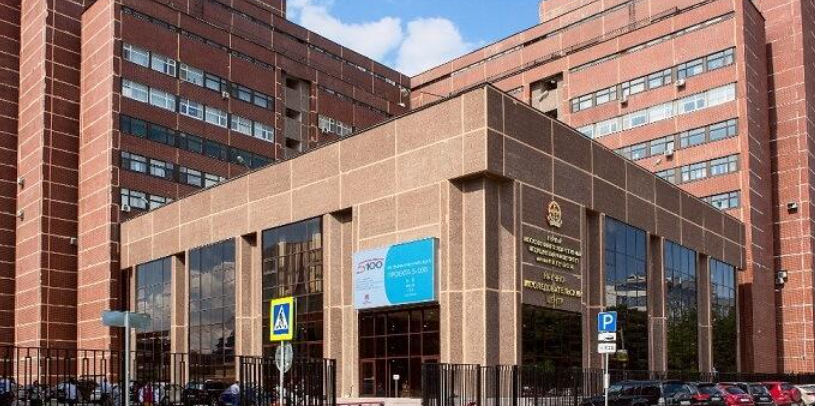
Sechenov University, formally I.M. Sechenov First Moscow State Medical University, is a major medical education and research institution in Moscow. Its official international programme information lists General Medicine as a six-year Specialist programme with English and Russian language options.
Programme details
- Location: Moscow, Russia
- Programme: General Medicine
- Qualification: Specialist / Medical Doctor
- Duration: 6 years
- Language: English and Russian options are listed
- Published fee: From RUB 1,300,000 for the programme information displayed
- 2027–28 fee: Not confirmed
The university describes its curriculum as including foundational medical subjects in the earlier years and professional clinical disciplines in later years. Applicants should confirm the exact language track, admission requirements and clinical-language arrangements for their intake.
Official links: Sechenov University – International Admissions | General Medicine programme
2. Pirogov Russian National Research Medical University – Moscow
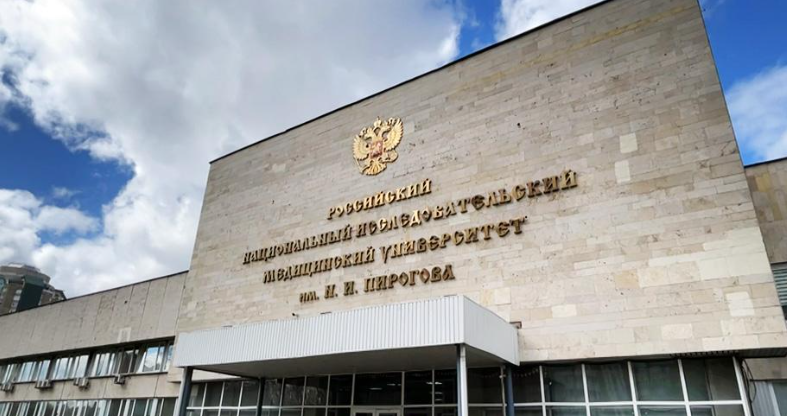
Pirogov University offers a General Medicine programme described on its international admissions website as the Practical Medicine profile. Its published information includes English and Russian language options and a six-year programme.
Programme details
- Location: Moscow, Russia
- Programme: General Medicine – Practical Medicine profile
- Qualification: Physician
- Duration: 6 years
- Language: English and Russian
- Published 2026–27 tuition: RUB 1,200,000 per year
- 2027–28 fee: Not confirmed
The university describes simulation-centre training and subsequent learning in Moscow hospitals. Its 2026–27 published admission information also specifies entrance examinations in Chemistry and Biology. Students applying for 2027 must check the next admission notice rather than relying on previous-year dates.
Official links: Pirogov University – General Medicine | Tuition and fees
3. Pavlov First Saint Petersburg State Medical University – Saint Petersburg
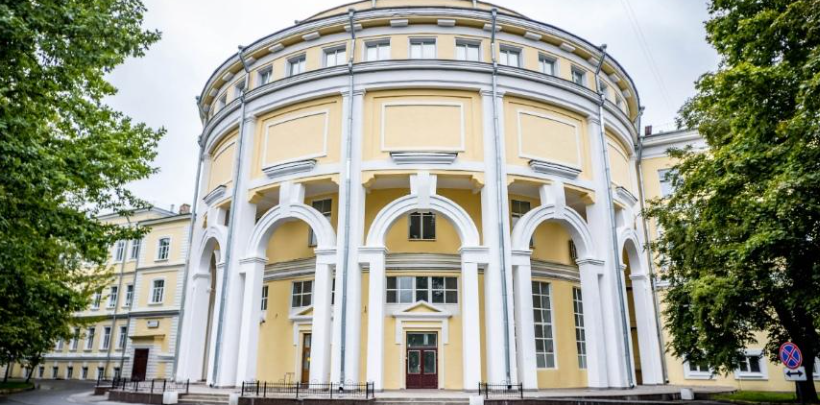
Pavlov University is a medical institution in Saint Petersburg with an international student faculty. Its official information lists a six-year General Medicine programme for foreign students in English and Russian.
Programme details
- Location: Saint Petersburg, Russia
- Programme: General Medicine
- Qualification: Physician / Specialist
- Duration: 6 years
- Language: English and Russian
- Published fee: The 2026 admission information lists RUB 670,000 per year for its English-language-adaptation programme.
- 2027–28 fee: Not confirmed
Students should clarify the exact language arrangement represented by “English language adaptation,” including the language used in clinical rotations and patient communication.
Official links: Pavlov University – International Applicants | Educational programmes
4. Kazan State Medical University – Kazan
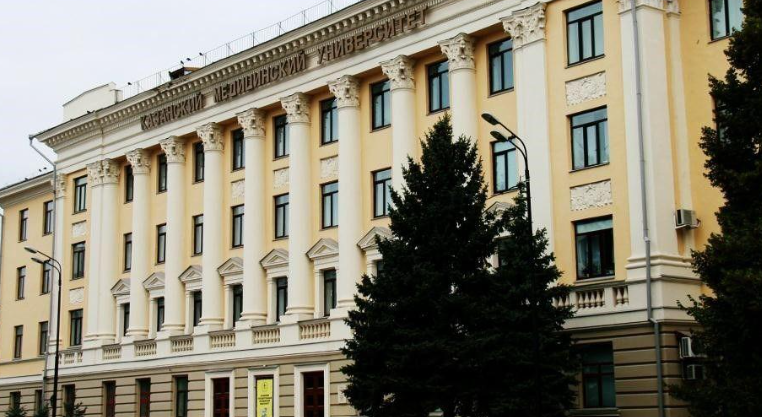
Kazan State Medical University offers a six-year General Medicine Specialist programme. Its published curriculum documentation includes an English-medium programme for international students.
Programme details
- Location: Kazan, Russia
- Programme: General Medicine
- Qualification: Physician / Specialist
- Duration: 6 years
- Language: English or Russian, depending on the programme
- 2027–28 fee: Not confirmed in the reviewed official information
The university’s published syllabus identifies the English-medium General Medicine programme as a full-time, six-year Specialist qualification. Applicants should obtain the current international fee order and confirm whether the specific English-language track is available for the 2027 intake.
Official links: Kazan State Medical University – Foreign Applicants | Tuition information
5. Bashkir State Medical University – Ufa
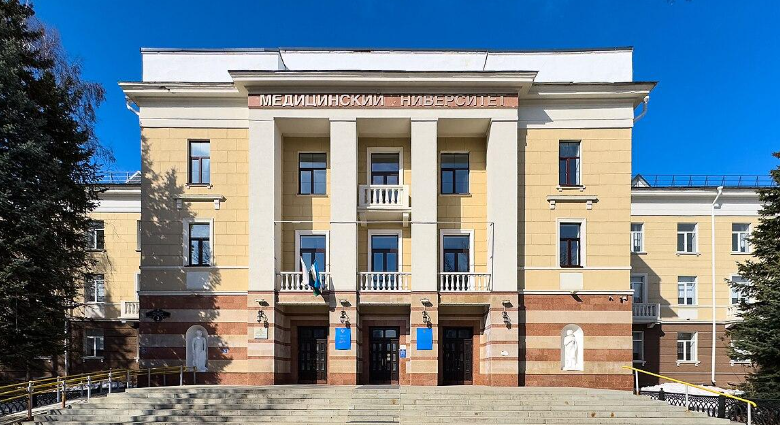
Bashkir State Medical University publishes a six-year General Medicine Specialist programme with English and Russian language options. Its official fee pages provide programme and tuition information for foreign applicants.
Programme details
- Location: Ufa, Russia
- Programme: General Medicine
- Qualification: Specialist
- Duration: 6 years
- Language: English and Russian options are listed
- Published fee: RUB 490,080 per year on the university’s fee-structure page
- 2027–28 fee: Not confirmed
The university also publishes information about preparatory courses and other medical programmes. Students should ask whether the selected General Medicine track is taught in English throughout the full programme, particularly during clinical training.
Official links: Bashkir State Medical University | Official fee structure
6. Rostov State Medical University – Rostov-on-Don
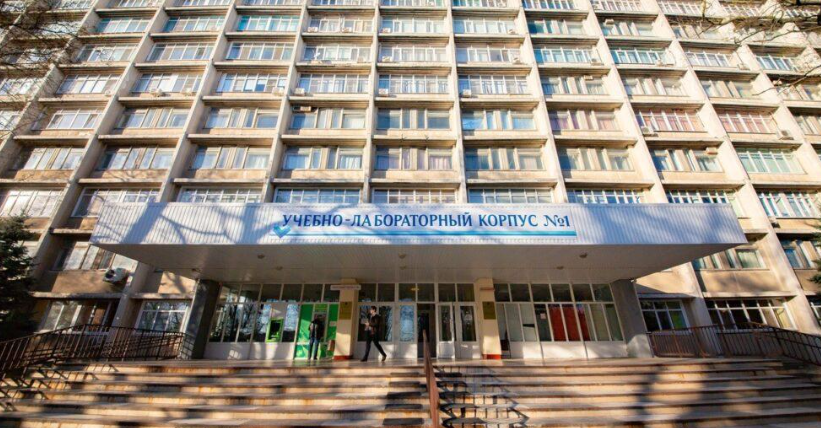
Rostov State Medical University has an international admissions section that lists General Medicine in English and Russian. Its official 2026–27 information provides a first-year tuition figure for the English-medium programme.
Programme details
- Location: Rostov-on-Don, Russia
- Programme: General Medicine
- Duration: 6 years
- Language: English or Russian
- Published 2026–27 first-year English-medium fee: RUB 373,900
- 2027–28 fee: Not confirmed
The university lists Chemistry and Biology entrance examinations for the English-medium General Medicine programme. It also describes preparatory training for international students. Confirm whether preparatory study is necessary for your academic and language background.
Official link: Rostov State Medical University – International Applicants
7. Siberian State Medical University – Tomsk
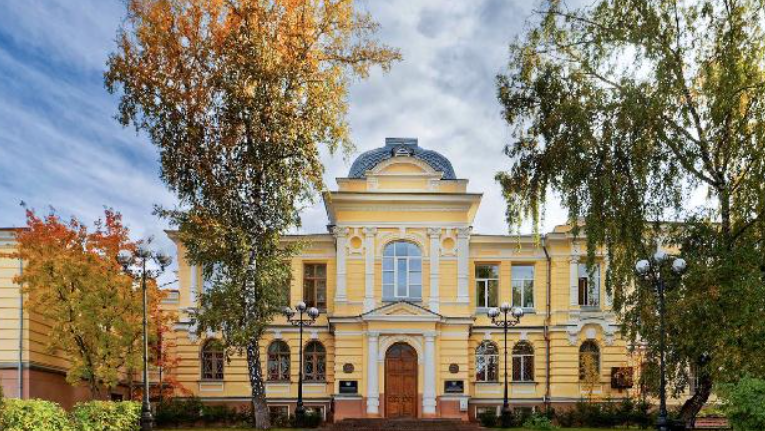
Siberian State Medical University, located in Tomsk, publishes a General Medicine programme for international students. Its official programme information describes English-language study and a six-year duration.
Programme details
- Location: Tomsk, Russia
- Programme: General Medicine
- Duration: 6 years
- Language: English programme information is available
- Published 2027–28 fee: Not confirmed in the reviewed official source
The university’s programme description discusses theoretical medical subjects and practical training in clinical disciplines. Applicants should request the current fee schedule and written details of the language used during hospital-based learning.
Official links: Siberian State Medical University | International admissions
8. Kemerovo State Medical University – Kemerovo
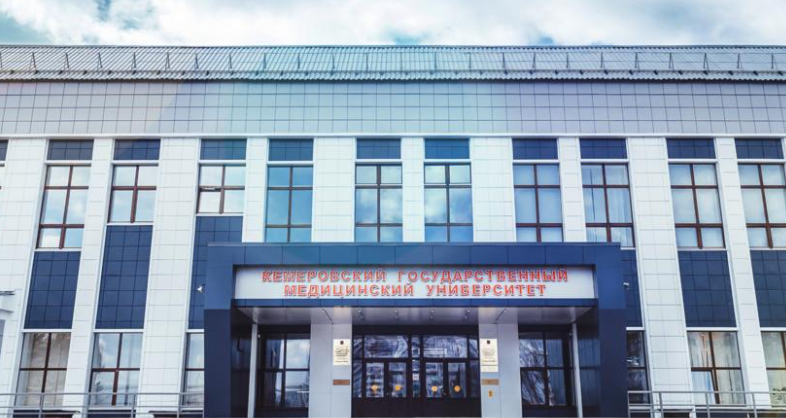
Kemerovo State Medical University publishes a six-year General Medicine programme for international students, including an English-language option with enhanced Russian-language study.
Programme details
- Location: Kemerovo, Russia
- Programme: General Medicine
- Duration: 6 years
- Language: English with enhanced Russian-language study
- Published 2026 first-year fee: RUB 335,000
- 2027–28 fee: Not confirmed
An important practical point: the university’s 2026 foreign-student information states that it does not provide a state dormitory for newly enrolled students and that applicants need to arrange accommodation privately. Students should verify accommodation availability before accepting an offer.
Official links: Kemerovo State Medical University – Foreign Applicants | Official fee information
9. Kuban State Medical University – Krasnodar
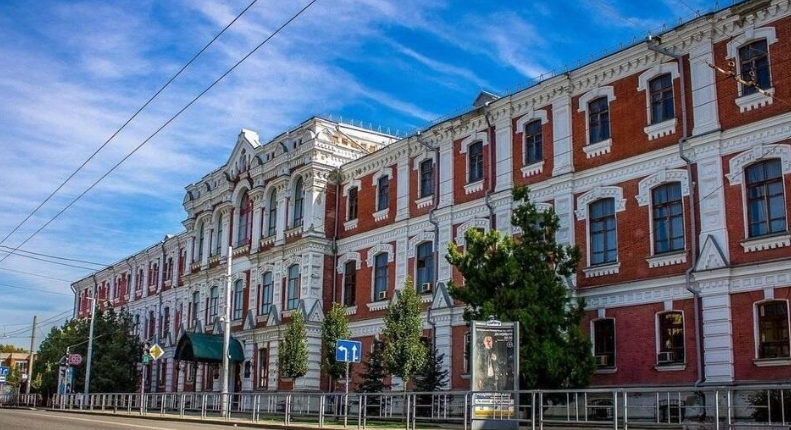
Kuban State Medical University has an international applicants section and publishes information about medical education for foreign students. Its official international pages should be used to confirm the current General Medicine programme, language track and admission route.
Programme details
- Location: Krasnodar, Russia
- Programme: General Medicine – confirm current international intake
- Duration: Confirm for the selected programme
- Language: Confirm the available language track
- 2027–28 tuition: Not confirmed in the reviewed official information
Students should not rely on third-party fee advertisements for this university. Request the current official fee order, programme curriculum, clinical training details and written confirmation of international eligibility.
Official link: Kuban State Medical University – Foreign Applicants
10. Voronezh State Medical University named after N.N. Burdenko – Voronezh
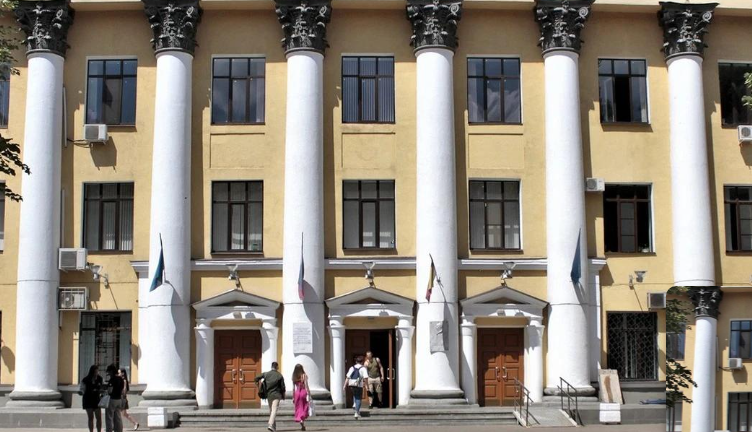
Voronezh State Medical University publishes a separate admissions route for international candidates. Its 2026 admissions information lists General Medicine in both Russian and English.
Programme details
- Location: Voronezh, Russia
- Programme: General Medicine
- Language: English and Russian options listed
- International admission: Separate competition for international applicants
- 2027–28 fee and duration: Obtain current written confirmation
Its published 2026 admission information describes Chemistry and English entrance tests for the English-medium General Medicine programme. Admission dates shown on that page relate to 2026 and should not be reused as 2027 deadlines.
Official link: Voronezh State Medical University – International Applicants
MBBS Fees in Russia – University-Wise Comparison
The cost of studying medicine in Russia depends on the university, language track, academic year, accommodation and additional charges. The figures below are examples published for 2026 or 2026–27. They are not confirmed 2027–28 fees and should be checked against the university’s latest official fee order.
Published tuition examples
| University | Published tuition | Academic year / basis |
| Sechenov University | From RUB 1,300,000 | Published programme information; confirm exact international fee |
| Pirogov University | RUB 1,200,000/year | 2026–27 |
| Pavlov University | RUB 670,000/year | 2026 admission information; English-language-adaptation track |
| Bashkir State Medical University | RUB 490,080/year | Published university fee structure |
| Rostov State Medical University | RUB 373,900 | 2026–27 first-year English-medium fee |
| Kemerovo State Medical University | RUB 335,000 | 2026 first-year English programme |
(Note: The figures are not a like-for-like comparison. They may refer to different fee years, student categories, programme tracks or first-year schedules. Do not multiply a first-year fee by six and publish it as the total course cost without confirming whether fees remain unchanged.)
Other expenses students should budget for
| Expense | What to verify |
|---|---|
| Tuition | Annual fee for every year of the programme |
| Hostel or accommodation | Availability, room type, annual charges and deposit |
| Food | Monthly budget based on the city and personal needs |
| Medical insurance | Required cover and annual premium |
| Visa and registration | Current official immigration and university charges |
| Medical tests | Required tests and annual screening charges |
| Books and study materials | Course-specific expenses |
| Travel | Flights, baggage and local transfers |
| Currency conversion | Exchange rate and bank transfer charges |
| Emergency funds | Unexpected travel, health or accommodation expenses |
How to calculate the actual cost of MBBS in Russia
Ask each university for a written six-year cost estimate. It should show:
- Tuition for each academic year.
- Whether fees can increase during the course.
- Hostel charges and whether a room is guaranteed.
- Insurance and mandatory medical examinations.
- Visa, registration and administrative costs.
- Any preparatory or Russian-language course charges.
- Refund rules if a student withdraws or cannot obtain a visa.
A university with a lower first-year tuition fee may not have the lowest overall cost. Compare the complete programme, not just the advertised annual fee.
Eligibility Criteria for Indian Students
Eligibility for General Medicine in Russia depends on the university’s admission rules and the Indian regulations applicable to students who intend to practise in India.
Academic eligibility
Indian applicants should generally prepare to provide:
- Class 10 marksheet and certificate.
- Class 12 marksheet and certificate.
- Evidence of studying the required science subjects, particularly Physics, Chemistry and Biology, as specified by the university.
- NEET scorecard or qualification evidence, where applicable under Indian rules.
- Valid passport.
- Photographs and application documents.
- Medical certificates and other documents required by the university.
Do not assume that one university’s minimum marks or entrance-test policy applies to every Russian medical university. Some universities conduct their own entrance examinations. Rostov State Medical University, for example, lists Chemistry and Biology examinations for its English-medium General Medicine programme.
Is NEET compulsory for MBBS in Russia?
Indian students should qualify NEET if required under the applicable Indian rules for their intended foreign medical education pathway and future registration in India. The Russian university’s admission conditions and India’s eligibility requirements are separate matters.
NEET qualification does not itself guarantee admission, completion of an eligible foreign medical programme or permission to practise in India. Check the latest NTA NEET information and NMC regulations before applying.
Age and other admission requirements
Age limits, document legalisation, language conditions and entrance examinations must be checked in the current university admission notice. Do not rely on an agent’s verbal statement where the university can provide written confirmation.
Admission Process for MBBS in Russia 2027
The application process differs between universities. A sensible sequence for Indian applicants is:
- Assess academic eligibility: Review Class 12 subjects, marks and the university’s published entry conditions.
- Check NEET requirements: Confirm the applicable Indian rules for the admission year.
- Shortlist universities: Compare the exact General Medicine programme, language, duration, tuition and location.
- Verify the programme: Check the qualification, curriculum, clinical training and internship arrangements against the relevant NMC requirements.
- Contact the university: Obtain its latest international admissions notice and fee schedule.
- Prepare documents: Arrange academic certificates, passport, photographs and other requested documents.
- Complete entrance requirements: Take the university’s examination or selection process, if applicable.
- Review the admission offer: Check the programme name, tuition, payment schedule and refund policy.
- Complete visa formalities: Follow the official Russian student visa process and university instructions.
- Arrange accommodation and travel: Confirm the hostel or private accommodation before departure.
- Keep records: Save admission letters, payment receipts, curriculum documents and university correspondence.
Documents commonly required
- Class 10 certificate and marksheet.
- Class 12 certificate and marksheet.
- NEET scorecard, where applicable.
- Passport.
- Passport-sized photographs.
- Medical certificate and test reports, if requested.
- Academic translations or legalisation, where required.
- University application form.
- Financial or sponsorship documents, where required.
- Visa application documents.
The university and relevant authorities determine the final document checklist.
NMC Regulations and Recognition: What Indian Students Must Know
This is one of the most important sections for Indian students planning to study medicine in Russia.
The National Medical Commission’s Foreign Medical Graduate Licentiate Regulations, 2021 set out requirements relevant to Indian students who obtain primary medical qualifications abroad and later seek registration in India. The NMC’s rules page lists the regulations and an FAQ dated 8 June 2026.
Key checks before joining a Russian medical university
Indian students should verify that the exact programme satisfies all applicable requirements, including:
- Course duration: The required minimum period of medical education.
- Medium of instruction: Compliance with the applicable English-medium requirement.
- Curriculum: Required subjects and academic coverage.
- Clinical training: Proper practical and clinical education.
- Internship: Duration, location and completion arrangements.
- Single-institution requirements: Whether the programme and training arrangements comply with applicable rules.
- Foreign registration: Whether the qualification makes the graduate eligible for registration or licensure in the country where it was awarded, as required by the applicable regulations.
The NMC’s April 2026 alert for students considering medical education in Uzbekistan summarises several FMGL compliance points, including course duration, English medium, curriculum, clinical training and internship. Although that alert is country-specific, it reinforces why students must check the underlying FMGL rules rather than rely on marketing claims.
Does a World Directory listing mean a Russian university is NMC-approved?
No. A listing in the World Directory of Medical Schools should not be treated as an NMC approval, accreditation certificate or guarantee of eligibility for Indian registration.
Students should verify the exact university and programme, review the applicable Indian regulations and obtain reliable written information from the institution. The World Directory of Medical Schools is a directory resource, not a substitute for NMC compliance checks.
Can Indian students practise in India after completing medicine in Russia?
A foreign medical qualification does not automatically give a graduate the right to practise in India. The NMC explains that foreign undergraduate medical qualification registration is governed by the applicable regulations and that Indian/OCI candidates must follow the relevant examination and State Medical Council registration process.
Students should check the latest NMC and NBEMS notices for the examination and registration route applicable when they graduate. Do not rely on old FMGE or NExT claims without checking current official guidance.
Career Opportunities After MBBS in Russia
After completing a medical qualification in Russia, graduates may explore different career pathways, depending on their qualification, licensing eligibility, registration and the requirements of the country where they wish to work.
Possible pathways include:
- Medical practice in India: Subject to the applicable NMC requirements, examination and registration.
- Postgraduate medical education: Subject to eligibility and the admission rules of the destination country.
- Medical practice in Russia: Subject to Russian qualification, registration and licensing requirements.
- International licensing routes: Subject to the relevant country’s examinations, registration and other requirements.
- Medical research: Opportunities may exist in clinical research, biomedical research and related fields, depending on qualifications.
- Public health and healthcare-related study: Further education may be possible in relevant disciplines.
A foreign medical degree does not guarantee employment, postgraduate admission or medical registration in any country.
Why Choose Sukhada Global Education?
Selecting a medical university abroad involves several decisions: understanding academic eligibility, comparing programmes, checking fees, preparing documents and completing admission and visa procedures.
Sukhada Global Education supports Indian students exploring medical education abroad through counselling and admission guidance. Students and parents can seek assistance with:
- Academic profile assessment.
- Country and university comparison.
- University shortlisting.
- Understanding admission requirements.
- Application and documentation support.
- Visa assistance.
- Pre-departure guidance.
- Parent and student counselling.
- Preparing questions about clinical training and future licensing requirements.
The purpose of counselling is to help students make informed decisions. Final university admission, visa decisions and medical registration remain subject to the relevant university and government or regulatory authorities.
MBBS Abroad Consultants in Mysuru, Bangalore and Karnataka
Students looking for MBBS abroad consultants in Mysuru, MBBS abroad consultants in Karnataka or guidance on studying medicine in Russia can discuss their academic profile and university options with Sukhada Global Education.
Students from Bengaluru and other parts of Karnataka can also seek information about:
- Medical university options in Russia.
- Programme duration and language of instruction.
- Tuition fees and other expenses.
- Admission and documentation requirements.
- Visa procedures and pre-departure preparation.
- Questions to verify about NMC requirements.
Planning to study MBBS in Russia in 2027? Contact Sukhada Global Education to discuss your study plans and the checks to complete before applying.
Frequently Asked Questions About MBBS in Russia
1. Which are the top 10 medical colleges in Russia for MBBS 2027?
Universities worth researching include Sechenov University, Pirogov University, Pavlov University, Kazan State Medical University, Bashkir State Medical University, Rostov State Medical University, Siberian State Medical University, Kemerovo State Medical University, Kuban State Medical University and Voronezh State Medical University. This is a research shortlist, not an official ranking.
2. Is Russia a good option for MBBS for Indian students?
Russia may be an option for students considering medical education abroad. However, the right university depends on programme structure, teaching language, clinical training, fees, student support and compliance with applicable NMC regulations. Students should verify the exact programme before admission.
3. What is the duration of MBBS in Russia?
Many Russian universities publish a six-year General Medicine Specialist programme. The exact programme structure, language requirements and any additional preparatory study should be confirmed with the university.
4. What is the fee for MBBS in Russia in 2027?
The 2027–28 tuition fees have to be confirmed through the latest university admission notices. Published 2026–27 examples range from RUB 335,000 per year at Kemerovo State Medical University to RUB 1,200,000 per year at Pirogov University. These are not confirmed 2027 fees.
5. Which is the cheapest medical university in Russia?
There is no reliable universal answer without comparing the current tuition, hostel, insurance, visa and living expenses for the complete programme. Kemerovo and Rostov have published relatively lower tuition examples for earlier admission cycles, but students must confirm the next intake’s fees and total costs.
6. Is NEET compulsory for MBBS in Russia?
Indian students should check the NEET requirements applicable to their admission year and intended future registration in India. University admission requirements and Indian regulatory eligibility are separate matters. Check the latest information from the NTA and NMC.
7. Is MBBS in Russia taught in English?
Some Russian universities publish English-medium General Medicine programmes. However, students must confirm whether English is used throughout the complete programme, including practical and clinical training. Russian-language learning may also be important for communicating with patients.
8. Which Russian medical universities offer English-medium General Medicine?
Official programme information identifies English-language options at institutions including Sechenov University, Pirogov University, Pavlov University, Kazan State Medical University, Bashkir State Medical University and Rostov State Medical University. Availability and the language used in clinical training must be checked for the intended intake.
9. Can Indian students get admission to Russian medical universities after Class 12?
Some Russian universities accept international applicants with secondary education qualifications, subject to their admission requirements. Students should check the required science subjects, academic records, entrance examinations and any additional conditions directly with the university.
10. What subjects are required for MBBS in Russia?
Universities commonly specify science subjects such as Physics, Chemistry and Biology for medical admission. Exact subject combinations, minimum marks and entrance-test requirements vary, so applicants should read the relevant university admission notice.
11. Is an MBBS degree from Russia valid in India?
A medical qualification from Russia does not automatically grant eligibility for medical registration in India. Indian graduates of foreign medical institutions must satisfy the applicable NMC regulations, examination requirements and registration procedures.
12. Are Russian medical universities NMC-approved?
Students should not rely on broad claims that a university is “NMC-approved.” They should verify the exact medical programme against the applicable FMGL Regulations and current NMC guidance. A university directory listing is not a guarantee of Indian registration eligibility.
13. What is the difference between MBBS and General Medicine in Russia?
MBBS is the commonly used Indian term for undergraduate medical education. Russian universities generally describe their medical qualification as a Specialist Degree in General Medicine, leading to a physician qualification. Students should verify the exact qualification stated in the university’s official documents.
14. Is Russian language compulsory for Indian medical students?
The requirement depends on the university and programme. Even where classroom teaching is advertised in English, students may need Russian-language skills for daily life and communication with patients during clinical training. Ask the university about its language curriculum and clinical requirements.
15. Do Russian medical universities provide hostel facilities?
Hostel facilities depend on the university and availability. Students should confirm the accommodation offer, room type, annual cost, deposit, location and allocation procedure in writing. Kemerovo State Medical University, for example, stated in its 2026 foreign-student information that it did not provide a state dormitory for newly enrolled students.
16. What documents are required for MBBS admission in Russia?
Commonly requested documents include Class 10 and Class 12 certificates, passport, photographs, academic records, NEET documentation where applicable, medical certificates and university application forms. Translation, legalisation and additional documents may also be required.
17. Can Indian students work while studying medicine in Russia?
Students should check current Russian immigration and employment rules, as well as the conditions attached to their student status. Medical education is demanding, and students should not rely on part-time employment to fund essential tuition or living costs.
18. Can Indian students practise in Russia after completing General Medicine?
Graduates must satisfy the applicable Russian professional registration, accreditation and licensing requirements. Completing a university programme alone should not be treated as automatic permission to practise.
19. Can students pursue postgraduate medical education after studying in Russia?
Further medical education may be possible, subject to the qualification, admission criteria, licensing and registration rules of the country where the student applies. Students should check the destination institution’s requirements.
20. Is a six-year Russian medical programme automatically eligible under NMC rules?
No. Duration alone is not enough to establish eligibility. Students must verify the medium of instruction, curriculum, clinical training, internship, foreign registration and other applicable requirements under the FMGL Regulations.
21. When should Indian students apply for MBBS in Russia for 2027?
Students should start researching universities and preparing documents well before the intended intake. Application dates differ by institution, and the 2027–28 admission calendar should be confirmed through each university’s official admissions office.
22. Are entrance examinations required for MBBS admission in Russia?
Some universities conduct entrance examinations for international applicants. For example, Rostov State Medical University lists Chemistry and Biology examinations for its English-medium General Medicine programme. Other universities may have different selection procedures.
23. Is studying MBBS in Russia affordable for Indian students?
Affordability depends on tuition, accommodation, food, insurance, travel, visa expenses and currency exchange. Students should compare the total six-year budget instead of selecting a university based only on its first-year tuition.
24. Does a World Directory listing guarantee medical registration in India?
No. A World Directory of Medical Schools listing is not an NMC approval or a guarantee of eligibility for Indian medical registration. Students must check the exact qualification and programme against current Indian regulations.
25. How can students select the right medical university in Russia?
Students should compare the exact qualification, course duration, teaching language, clinical training, internship, tuition, accommodation, admission requirements and regulatory eligibility. Obtain written confirmation from the university and check official NMC guidance before paying fees.