


Quick answer: Which country should you choose?
There is no universally best country for every NEET-qualified student. Students commonly compare Russia, Georgia, Kazakhstan, Kyrgyzstan and other destinations because of their medical universities and international admission opportunities.
A useful starting point is this comparison:
| Country | Why students consider it | Important points to verify |
| Russia | Established medical universities and a range of university options | English-medium programme, Russian language for clinical practice, internship and full costs |
| Georgia | International student environment and English-medium programme options | University-specific fees, clinical training and programme compliance |
| Kazakhstan | Multiple medical university options for international students | Curriculum, clinical exposure, language and internship |
| Kyrgyzstan | Often considered by students comparing lower-cost destinations | University quality, clinical training, facilities and regulatory compliance |
| Uzbekistan | Growing interest among Indian medical aspirants | Check the latest NMC advisory and exact programme compliance particularly carefully |
| Philippines | English is widely used and the medical education pathway is different from many other destinations | Pre-medical education, NMAT and the exact Doctor of Medicine admission route |
| Bangladesh | Geographical and cultural familiarity for Indian students | Foreign-student admission rules, fees and applicable regulatory requirements |
| Nepal | Proximity to India and familiar regional environment | Entrance and admission procedures, fees and university-specific requirements |
| China | Large higher-education sector and international medical programmes | Confirm the exact university, approved programme, teaching language and clinical arrangements |
| Vietnam | An option students may research for international medical education | English-medium availability, international admission and clinical training |
| Romania | European medical education options | Language, tuition, admission procedure and degree recognition requirements |
| Albania | An additional European destination to investigate | Confirm the exact medical programme, language and eligibility before applying |
(This is a shortlist for research, not an official ranking or a declaration that every programme in these countries is suitable for Indian students. University-level verification is essential.)
For most students, the sensible approach is to shortlist countries first, then compare specific universities and their medical programmes. Do not select a destination simply because an agent calls it the cheapest or best.
1. What makes a country suitable for MBBS abroad after NEET?
Before comparing destinations, students should understand what actually makes a foreign medical programme suitable.
1. NMC regulatory compliance
For Indian students who intend to return to India and practise medicine, checking the applicable National Medical Commission (NMC) regulations is essential.
The Foreign Medical Graduate Licentiate (FMGL) Regulations, 2021, specify requirements for foreign medical education. The NMC’s current rules page also lists updated FAQs dated 8 June 2026.
Students should carefully verify the requirements relating to:
- Minimum duration of medical education.
- Medium of instruction.
- Curriculum and compulsory subjects.
- Clinical training and hands-on experience.
- Internship or clerkship arrangements.
- Registration or licensing requirements in the country awarding the qualification.
- The applicable examination and registration pathway in India.
The NMC’s April 2026 advisory for Uzbekistan specifically warns Indian students to check course duration, medium of instruction, curriculum, clinical training and internship arrangements. It reiterates requirements including at least 54 months of medical education and a 12-month internship at the same foreign institution.
Important: Do not assume that an entire country or every university in it is automatically approved by NMC. Eligibility must be assessed for the exact university, programme, campus and admission arrangement.
2. English-medium education
Students should check whether the entire medical programme is taught in English, not merely whether the university advertises an English-medium course.
Clinical training requires communication with patients, hospital staff and supervisors. In countries where the local language is widely used, students may need to learn that language to participate effectively in clinical settings.
Ask the university:
- Is the complete programme taught in English?
- Are examinations conducted in English?
- What language is used during hospital postings?
- Is local-language training included?
- Will students receive sufficient supervised patient interaction?
3. Clinical exposure and hospital training
Medical education is not limited to classroom teaching. Students need practical learning and supervised clinical exposure.
Before selecting a university, find out:
- Which hospitals are used for clinical training?
- Are students allowed to participate in supervised clinical activities?
- How are clinical rotations organised?
- Are the required medical subjects covered?
- Does the programme provide sufficient hands-on training?
4. Total cost of education
A low advertised tuition fee does not necessarily mean that a country is affordable overall.
Calculate the complete cost, including tuition, hostel, food, insurance, visa, travel, examination charges and other compulsory expenses.
5. Student safety and support
Parents should investigate the university’s hostel arrangements, local transport, student support, emergency contacts, healthcare access and Indian student community.
A good admission decision should consider the student’s living and learning environment, not just the admission offer.
Best countries for MBBS abroad after NEET: Detailed comparison
1. MBBS in Russia

Russia is one of the destinations Indian students commonly research for medical education abroad. It has a number of established medical universities and offers different programme options for international students.
Why students consider Russia
- Multiple medical universities offer programmes for international applicants.
- Some universities provide General Medicine programmes in English.
- Students can compare universities across different cities.
- There are established international student communities at several institutions.
What students should check
- Whether the exact General Medicine programme is available in English.
- Whether the programme and internship meet applicable FMGL requirements.
- How clinical training is delivered.
- Whether students receive adequate Russian-language instruction for patient communication.
- The complete tuition and living costs for the full course.
Who may consider Russia?
Students who want to compare a broad selection of medical universities and are prepared to learn the local language alongside their medical studies may consider Russia.
Explore: MBBS in Russia – Sukhada Global Education
2. MBBS in Georgia

Georgia is another destination Indian students may consider when exploring English-medium medical programmes.
Why students consider Georgia
- Some universities offer medical programmes in English.
- International students study at universities in cities such as Tbilisi.
- Students can compare different programme structures and university environments.
- It provides another option for those comparing European and Asian medical destinations.
What students should check
- The university’s exact admission criteria.
- The complete tuition and living expenses.
- Programme duration and clinical training.
- Language arrangements during hospital postings.
- Compliance with the Indian regulations applicable to foreign medical graduates.
Who may consider Georgia?
Students looking for an international university environment and English-medium options can research Georgia, provided the exact programme meets their academic and regulatory requirements.
Explore: MBBS in Georgia – Sukhada Global Education
3. MBBS in Kazakhstan
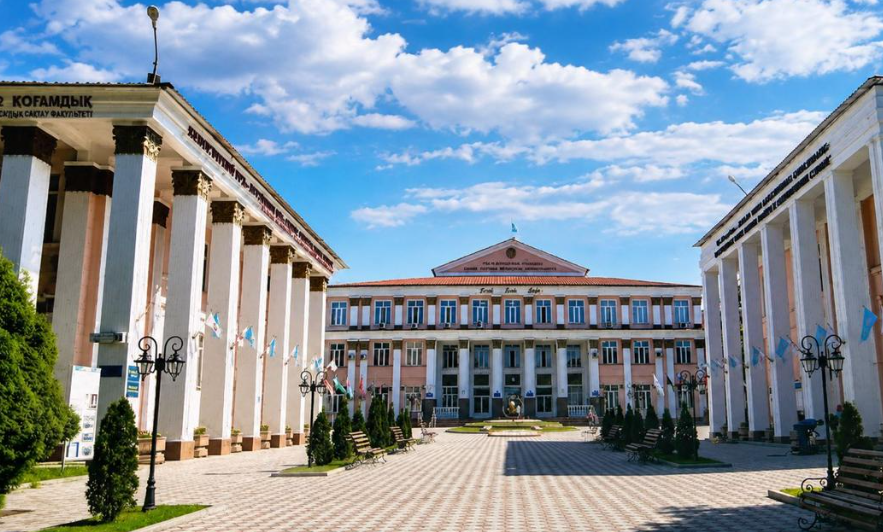
Kazakhstan is an option for Indian students comparing medical universities in Central Asia.
Why students consider Kazakhstan
- Several universities accept international students.
- Students can compare different cities and university environments.
- Some institutions offer English-medium medical education.
- It is a destination worth researching when comparing tuition and living expenses.
What students should check
- The exact university and programme.
- English-medium instruction throughout the course.
- Clinical training and internship arrangements.
- Local-language requirements during hospital training.
- Total cost and annual fee revision policies.
Who may consider Kazakhstan?
Students who want to compare Central Asian medical universities should examine Kazakhstan alongside Russia and Kyrgyzstan rather than making a decision based only on advertised fees.
Explore: MBBS in Kazakhstan – Sukhada Global Education
4. MBBS in Kyrgyzstan

Kyrgyzstan is frequently included in discussions about affordable medical education abroad.
Why students consider Kyrgyzstan
- Medical universities accept international applicants.
- Students can compare tuition and accommodation options.
- Some institutions offer English-medium programmes.
- It is a destination often researched by students with a limited education budget.
What students should check
- The exact institution and campus.
- The full medical curriculum and course duration.
- Quality and location of affiliated teaching hospitals.
- Language used during clinical rotations.
- Internship arrangements and NMC compliance.
Who may consider Kyrgyzstan?
Students who want to compare cost-conscious options should research individual universities carefully. Lower tuition alone should never determine the choice.
Explore: MBBS in Kyrgyzstan – Sukhada Global Education
5. MBBS in Uzbekistan
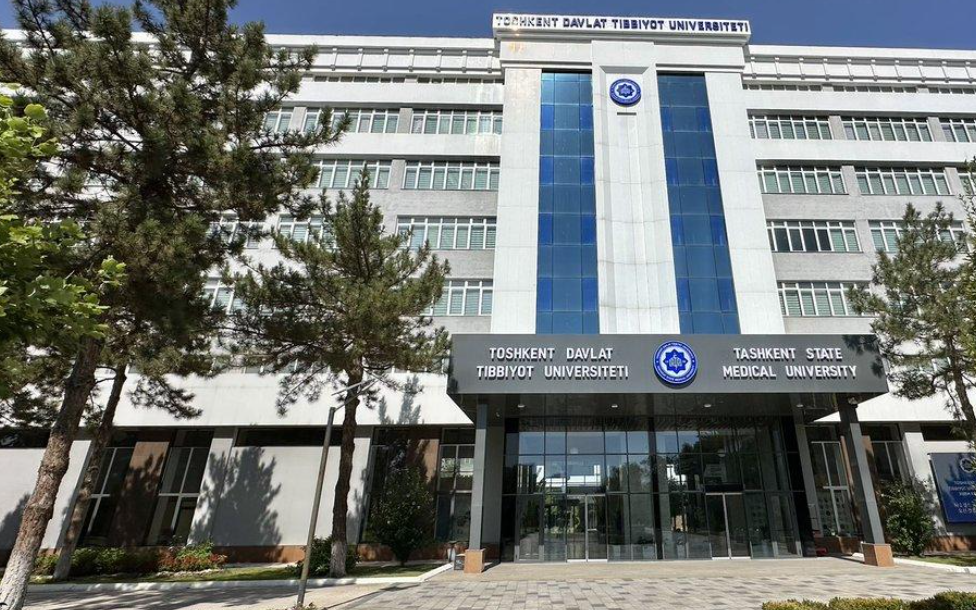
Uzbekistan has attracted interest among Indian students exploring international medical education. However, students need to exercise particular care when evaluating programmes in this country.
The NMC issued an alert on 1 April 2026 concerning Indian students seeking admission to undergraduate medical programmes in Uzbekistan. The alert highlights the importance of compliance with the FMGL Regulations, including course duration, English-medium instruction, curriculum, clinical training and internship arrangements.
Why students research Uzbekistan
- International medical education options.
- Universities offering programmes for foreign applicants.
- Different tuition and accommodation options to compare.
What students should check
- Whether the specific programme satisfies the applicable NMC requirements.
- Whether the complete course is taught in English.
- Whether clinical training and internship are properly structured.
- Whether the university and programme are authorised in Uzbekistan.
- Whether graduates can meet the local licensing requirements.
Who may consider Uzbekistan?
Students should consider it only after completing detailed university-level verification and reviewing the latest NMC advisory. Do not rely on general claims that a university is recognised or suitable.
Explore: MBBS in Uzbekistan – Sukhada Global Education
6. MBBS in the Philippines

The Philippines has a different medical education pathway from several destinations where students enter a General Medicine programme directly after higher secondary education.
Students should understand the distinction between pre-medical education, the National Medical Admission Test (NMAT), and entry into a Doctor of Medicine programme.
What students should check
- Whether a pre-medical or undergraduate degree is required.
- NMAT requirements and admission criteria.
- The exact duration and structure of the medical programme.
- The language of instruction and clinical training.
- Whether the complete pathway meets applicable Indian requirements.
Who may consider the Philippines?
Students willing to understand and follow its specific pre-medical and medical admission route can research the Philippines. It should not automatically be compared with direct-entry six-year General Medicine programmes in other countries.
7. MBBS in China

China has a large higher-education sector and international medical programmes. However, the availability and suitability of English-medium medical programmes must be checked carefully.
Students should confirm:
- The exact university and medical programme.
- Whether the programme is authorised for international students.
- Whether the entire programme is taught in English.
- The language used for patient interaction.
- Clinical training and internship arrangements.
- Applicable Indian regulatory requirements.
8. MBBS in Vietnam

Vietnam is another destination students may research, but international admission and English-medium medical programme availability must be confirmed directly.
Before applying, students should verify the qualification awarded, programme structure, teaching language, clinical exposure, internship and local registration requirements.
9. MBBS in Romania

Romania offers medical education options within the European higher-education environment. Students should compare programme language, tuition, admission requirements and the professional registration pathway.
An EU location or university listing should not be treated as automatic eligibility to practise in India. Indian students must separately satisfy the applicable NMC requirements.
10. MBBS in Albania

Albania can be included in a wider international university search. However, students should confirm that the specific medical programme is open to international students and meets their intended career requirements.
Check the exact qualification, language, curriculum, clinical training, internship and local professional registration arrangements before considering admission.
3. Which countries should Indian students shortlist first?
Instead of ranking countries based on popularity, students can use the following approach to create an initial shortlist.
| Student priority | Countries to research | What matters most |
|---|---|---|
| Broad selection of established medical universities | Russia | Exact university, programme, language and clinical training |
| English-medium programme options | Georgia, Russia, Kazakhstan | Full-course language and hospital communication |
| Central Asian destinations | Kazakhstan, Kyrgyzstan, Uzbekistan | University-level compliance and clinical arrangements |
| South Asian environment | Bangladesh, Nepal | Admission rules, fees and programme suitability |
| Different medical education pathway | Philippines | Pre-medical education and NMAT |
| European study destination | Romania, Albania | Exact programme, language and registration route |
| Additional international options | China, Vietnam | International admission and programme verification |
This is a research framework, not a recommendation that any particular country is automatically better. A compliant programme at a suitable university is more important than the country’s position in a general list.
4. How much does MBBS abroad cost?
The cost of studying medicine abroad varies significantly according to the university, programme, city, hostel and length of study.
There is no reliable single fee that applies to every university in a country. Students should obtain an official, itemised fee schedule for the exact admission year.
Expenses to include in your MBBS abroad budget
| Expense | What to calculate |
|---|---|
| Tuition | Full programme fees, not only first-year fees |
| Hostel | Annual accommodation charges |
| Food | Monthly food and grocery expenses |
| Medical insurance | Mandatory insurance and renewal |
| Visa | Visa application and extension charges |
| Travel | Flights and local transportation |
| Documentation | Translation, attestation and apostille |
| Registration | University and local registration charges |
| Examinations | Additional examination or administrative fees |
| Emergency expenses | Medical or personal emergency fund |
Is the cheapest country always the best for MBBS?
No. A low tuition fee does not guarantee quality education, sufficient clinical training or compliance with Indian regulations.
A student should compare the total cost against the quality and structure of the programme. A slightly higher-cost university may be a more suitable option if its programme, clinical training and student support are better verified.
5. Eligibility for MBBS abroad after NEET
Indian students planning to study medicine abroad should review both the foreign university’s admission requirements and the Indian regulations relevant to foreign medical graduates.
General eligibility checklist
| Requirement | What students should verify |
|---|---|
| Class 12 | Completion of higher secondary education or equivalent |
| Subjects | Physics, Chemistry and Biology, with English as applicable |
| Minimum marks | Applicable Indian and university-specific criteria |
| NEET | Qualification as required under current Indian regulations |
| Age | Current eligibility criteria |
| Passport | Valid passport for international admission and travel |
| Entrance test | Additional examination, if required by the university |
| Language | English or local-language requirements |
| Documents | Marksheets, certificates and other university-required paperwork |
Is NEET compulsory for MBBS abroad?
Indian students should qualify NEET as required under the applicable Indian regulations if they intend to pursue a foreign medical qualification and seek registration to practise in India.
However, NEET qualification does not itself guarantee admission to a foreign university or future registration in India. Students must satisfy the university’s own eligibility criteria and the relevant FMGL requirements.
Check the National Testing Agency for examination announcements and the National Medical Commission for current regulations.
NMC rules: What should you verify before choosing a foreign university?
This is one of the most important parts of the decision.
The NMC’s FMGL Regulations, 2021, establish conditions for foreign medical graduates seeking registration in India. The NMC currently lists the regulations and updated FAQs on its rules and regulations page.
Key requirements under the FMGL framework include:
- At least 54 months of medical education.
- At least 12 months of internship in the same foreign medical institution.
- English as the medium of instruction.
- Required medical subjects and curriculum.
- Clinical training and practical exposure.
- Registration with the relevant professional regulatory body in the country awarding the degree.
- Compliance with the applicable examination and registration requirements in India.
The NMC’s official advisory also warns that students should verify clinical training and internship arrangements rather than relying on assurances from an admission intermediary.
Does NMC approve foreign universities?
Students should be cautious about advertisements that describe a foreign university as “NMC approved.”
The important question is whether the exact medical qualification and programme satisfy the applicable Indian regulations. A university appearing in an international directory, including the World Directory of Medical Schools, does not by itself guarantee eligibility for registration in India.
Can I practise in India after completing MBBS abroad?
A foreign medical graduate must fulfil the applicable NMC requirements and the relevant examination, internship and registration procedures in force at the time of qualification.
Students should check the latest NMC guidance rather than assuming that a particular examination or registration pathway will remain unchanged throughout their course.
7. How to choose the right medical university after NEET
Choosing a country is only the first step. The university and its exact medical programme matter even more.
Questions to ask an admission consultant
- Which exact university and campus are you recommending?
- What is the full name of the medical qualification?
- Can I see the official course structure?
- Is the entire programme taught in English?
- Where will clinical training and internship take place?
- Can you provide the official university fee schedule?
- What happens if my visa is refused?
- Which services are included in the consultancy fee?
- Can I contact the university directly to verify my admission?
A reliable counselling process should help students understand both the opportunities and limitations of a destination.
How Sukhada Global Education helps students choose a country for MBBS abroad
Sukhada Global Education provides MBBS-abroad counselling and admission support for Indian students. Its website features destinations including Russia, Georgia, Kazakhstan, Kyrgyzstan, Uzbekistan, the Philippines, Vietnam, China, Nepal, Bangladesh, Romania and Albania.
The organisation describes its approach as student-focused, with guidance based on the student’s academic profile, budget and career goals.
Its listed support services include:
- Counselling and guidance: Understanding the student’s academic background, eligibility and preferred destination.
- Country and university selection: Comparing options according to the student’s profile and requirements.
- Document preparation: Helping students organise admission documents.
- Apostille and attestation: Guidance for destination-specific document verification.
- Translation: Support with required document translations.
- Visa assistance: Help with student visa documentation and application procedures.
- Forex and travel: Guidance on currency exchange, travel arrangements and pre-departure preparation.
- Scholarship and loan guidance: Information about relevant education funding options.
MBBS abroad counselling in Mysuru and Karnataka
Students from Mysuru, Bengaluru and other parts of Karnataka can contact Sukhada Global Education to discuss their NEET qualification, academic profile, budget and preferred medical destinations.
The purpose of counselling should be to identify a suitable university and programme—not simply to promote a particular country.
Students and parents should request written information about the university, course, fee structure and regulatory checks before making a payment.
Frequently Asked Questions: Which Country Is Best for MBBS Abroad After NEET?
These FAQs address common questions Indian students and parents ask while comparing medical universities abroad.
1. Which country is best for MBBS abroad after NEET?
There is no single best country for every student. Russia, Georgia, Kazakhstan and Kyrgyzstan are among the destinations students commonly compare. The right choice depends on the university, course structure, total fees, teaching language, clinical training and compliance with applicable NMC regulations.
2. Which country is best for MBBS abroad for Indian students?
Indian students can research Russia, Georgia, Kazakhstan, Kyrgyzstan, Uzbekistan, Bangladesh, Nepal and other destinations. They should compare individual universities rather than assuming that every medical college in a country offers the same quality or regulatory suitability.
3. Is Russia a good option for MBBS abroad after NEET?
Russia has several medical universities that accept international students, including Indian applicants. Students should verify the exact programme, English-medium instruction, clinical training, internship arrangements and total cost before applying.
4. Is Georgia better than Russia for MBBS?
Neither country is automatically better for every student. Georgia and Russia have different universities, fee structures, admission procedures and clinical environments. Compare specific universities and their programmes before deciding.
5. Is Kazakhstan a good country for MBBS abroad?
Kazakhstan is one of the destinations Indian students research for medical education abroad. Before applying, check the university’s legal status, course duration, English-medium instruction, clinical training, internship and applicable Indian requirements.
6. Is Kyrgyzstan suitable for Indian students studying MBBS abroad?
Kyrgyzstan is an option worth researching, particularly for students comparing medical education costs in Central Asia. However, students must check the specific university’s facilities, curriculum, teaching hospitals, clinical training and compliance with FMGL regulations.
7. Is Uzbekistan safe for MBBS abroad admission after NEET?
Safety should be evaluated at the university and city level. Students should also carefully review the NMC’s 1 April 2026 advisory for Uzbekistan, which highlights requirements relating to course duration, English-medium instruction, curriculum, clinical training and internship.
8. Is the Philippines a good option for MBBS after NEET?
The Philippines has a different medical education pathway from many direct-entry General Medicine programmes. Students should understand the pre-medical education requirements, NMAT and Doctor of Medicine admission process before choosing this destination. They must also verify whether the complete programme meets applicable Indian requirements.
9. Can I study MBBS abroad after qualifying NEET?
Yes. Indian students who qualify NEET can explore foreign medical universities, subject to the applicable Indian eligibility rules and the university’s own admission requirements. NEET qualification alone does not guarantee a university seat or future medical registration in India.
10. Is NEET compulsory for MBBS abroad?
Indian students intending to pursue a foreign medical qualification and seek registration in India must satisfy the applicable NEET requirements. Students should check current NMC and NTA guidance for their admission year.
11. Can I study MBBS abroad without NEET?
Students should be cautious about advertisements promising MBBS abroad without NEET. Indian students must meet the applicable Indian eligibility requirements if they intend to seek medical registration in India after completing their foreign qualification.
12. What is the minimum qualification required for MBBS abroad?
Students generally need to complete Class 12 or an equivalent qualification with the required science subjects. Minimum marks, age, NEET qualification and additional entrance requirements depend on the applicable Indian regulations and the university’s admission criteria.
13. Is MBBS abroad cheaper than private MBBS in India?
Costs vary by university and country. Some foreign universities may have lower advertised tuition than certain private medical colleges in India, but students should compare the complete course cost, including accommodation, food, travel, insurance and other expenses. They should also consider the quality and regulatory suitability of the programme.
14. Which country has the lowest MBBS fees?
There is no reliable country-wide answer because fees vary considerably between universities, programmes and cities. Students should request official, current fee schedules and compare the total cost of the complete course rather than relying on advertised starting prices.
15. How many years does it take to complete MBBS abroad?
The duration depends on the country and the exact medical programme. Under the FMGL framework, students should carefully verify the minimum 54-month medical education requirement and the additional 12-month internship requirement at the same foreign institution, where applicable.
16. What are the NMC rules for MBBS abroad?
The NMC’s Foreign Medical Graduate Licentiate Regulations, 2021, set out conditions relating to medical education duration, English-medium instruction, curriculum, clinical training, internship and registration. Students should read the current regulations and FAQs before selecting a university.
17. Are all foreign medical universities NMC approved?
No. Students should not assume that every foreign medical university is approved by NMC. They must verify the exact institution and programme against the applicable Indian regulations. A listing in an international medical school directory does not guarantee eligibility for registration in India.
18. Can I return to India after completing MBBS abroad?
Foreign medical graduates may pursue medical registration in India after satisfying the applicable regulatory, examination, internship and registration requirements. Students should check the rules in force when they graduate and avoid relying on guaranteed-registration claims.
19. Can I practise in another country after completing MBBS abroad?
Possibly, but medical practice in another country depends on that country’s licensing rules, examinations, language requirements, qualification assessment and registration procedures. A foreign medical degree does not automatically grant a licence to practise internationally.
20. Is English enough to study MBBS abroad?
English may be the programme’s teaching language, but students may also need the local language for hospital communication and clinical interactions. Confirm how language training and patient-facing clinical activities are organised at the selected university.
21. What documents are required for MBBS abroad admission?
Common documents include Class 10 and 12 marksheets, academic certificates, passport, photographs, NEET scorecard where applicable, medical documents and university application forms. Some countries or institutions may also require translated, attested or apostilled documents.
22. When should I apply for MBBS abroad after NEET?
Students should begin researching universities and preparing documents before the preferred intake. Application deadlines vary by country and institution. It is best to check the official admission calendar of each shortlisted university rather than relying on one common deadline.
23. Can students from Karnataka apply for MBBS abroad through Sukhada Global Education?
Yes. Students from Mysuru, Bengaluru and other parts of Karnataka can contact Sukhada Global Education to enquire about counselling, university options, admission requirements and visa assistance.
24. Does Sukhada Global Education help with university selection and visas?
Sukhada Global Education lists counselling, country and university selection, document preparation, apostille and attestation, visa assistance, forex and travel support among its services. Students should confirm the current service scope for their chosen destination directly with the organisation.
25. What should I check before paying an MBBS abroad admission fee?
Verify the university’s legal status, exact programme, course duration, medium of instruction, clinical training, internship, total fees, refund policy and applicable NMC requirements. Make payments only through official university-approved channels and retain the receipts.
26. What is the difference between MBBS and a General Medicine degree abroad?
Many foreign universities award a medical qualification called General Medicine, Doctor of Medicine or a country-specific professional degree rather than using the Indian title MBBS. Students should confirm the exact qualification, its legal status and whether it satisfies applicable Indian requirements.
27. Can I get an education loan for MBBS abroad?
Education loan eligibility depends on the lending institution, university, course, country, student profile and financial documents. Students should check the bank’s approved-institution criteria, collateral requirements, interest rates and repayment terms before accepting admission.
28. Should I choose a government medical university or a private medical university abroad?
Students should compare the specific university’s legal status, programme quality, clinical training, student support, admission transparency and complete cost. Government ownership alone does not guarantee that a programme meets every Indian regulatory requirement.
Final verdict: Which country should you choose for MBBS abroad after NEET?
Choosing the right destination is an important decision for a medical aspirant and their family. Russia, Georgia, Kazakhstan, Kyrgyzstan and other international destinations may offer options worth exploring, but no country should be selected only because it is popular or advertises low fees.
Before making a decision, focus on these five priorities:
- NMC compliance: Verify the exact university and programme against applicable Indian regulations.
- Quality of education: Review the curriculum, teaching faculty, laboratories and clinical exposure.
- Language: Confirm the teaching language and local-language requirements during clinical training.
- Total cost: Calculate the complete financial commitment for the full course.
- Student support: Understand accommodation, safety, visa support and university assistance.
The best country is ultimately the one where a student can receive appropriate medical education, complete the required training and meet the professional registration requirements relevant to their future career.
Sukhada Global Education can help students from Mysuru, Bengaluru and across Karnataka understand their options, compare destinations and plan their medical admission journey.